Menopause and Perimenopause Care in Houston: Symptoms, Options and What Has Changed
Medical oversight: Micah Craig, MD, Medical Director, Valere Regenerative
Hot flashes, broken sleep, mood changes and a body that no longer responds the way it did often start years before your last period. Valere begins with a full hormone panel and a 45-minute physician-led assessment, then builds a plan around your symptoms, your history and your goals.
What is happening
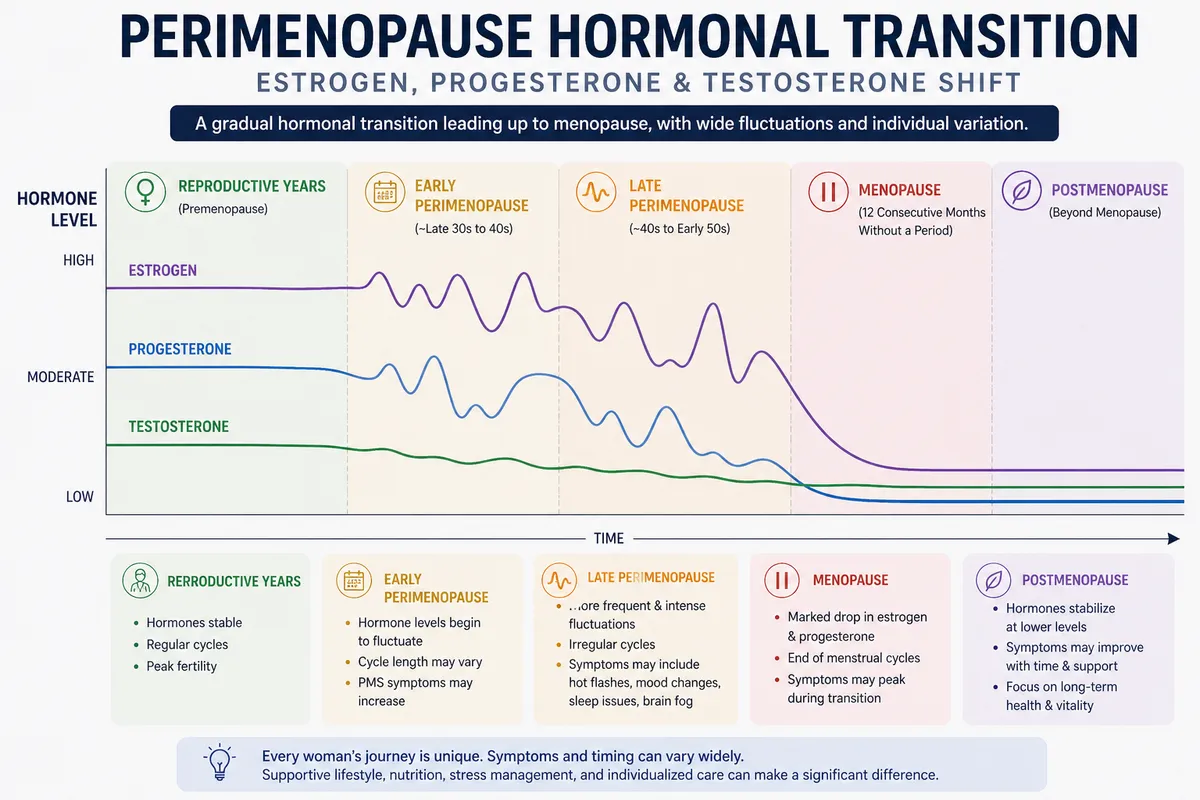
Menopause is one full year without a period, and in the US it arrives at about age 52 on average, according to the National Institute on Aging (Baylor College of Medicine). Perimenopause, the transition before it, can run for several years. Common signs include hot flashes and night sweats, changes in bleeding, sleep problems, and mood changes such as anxiety or irritability. Weight, energy and libido often shift too.
What has changed about hormone therapy
In November 2025 the FDA announced it would remove most of the boxed warnings from menopausal hormone therapy labels, keeping the endometrial cancer warning for estrogen-alone products. It also recommended labeling that suggests starting systemic therapy for moderate to severe symptoms in women under 60 or within 10 years of menopause (RAPS). Timing, dose and route still matter, which is why they are decided with your physician.
How Valere approaches menopause
Every patient is assessed first; there is no standard protocol. Your panel reads estradiol, progesterone, testosterone, SHBG, FSH and DHEA-S, plus a full thyroid panel and cortisol, because these work together. Where your results and history support it, your physician may prescribe bioidentical estradiol, progesterone and, where indicated, low-dose testosterone, choosing the route and dose with you. See HRT & TRT for more.
Your plan can also address what often changes alongside hormones: weight and metabolic health, sexual wellness, skin and strength.
What to expect
- Assessment and panel: a 45-minute conversation about your symptoms, cycle history and goals, with labs ordered.
- Results review: your physician explains the full panel and the benefits and risks of each option for you.
- Follow-up: repeat panels and check-ins, with the plan adjusted as your body changes.
What it costs
The assessment is $89. Program pricing follows it, because your plan depends on your labs, the therapy chosen and how often you are seen. Valere does not accept insurance; financing is available through Cherry and CareCredit.
Common questions
Can I start before my periods stop? Yes. Perimenopause symptoms can be assessed and treated before menopause is confirmed.
Is hormone therapy right for everyone? No. Some personal and family histories, such as certain cancers or blood clots, change the options. Your physician reviews this with you.
Do you only treat hot flashes? No. Sleep, mood, energy, weight, libido and skin are all part of the assessment.
Further reading: Menopause, energy and performance: what Houston women need to know.
Reserve your assessment or call (713) 538-1203.
Hormone therapy is prescribed where clinically indicated following physician evaluation. Individual results vary.
Medical disclaimer: This article is for general education only and is not medical advice. Reading it does not create a doctor–patient relationship. The treatments discussed are not right for everyone, individual results vary and are not guaranteed, and some therapies mentioned may be used off-label or are not FDA-approved for the uses described. Please talk with a licensed physician about your own health before starting any treatment.