What to Expect from a Concierge Regenerative Health Practice in Houston
What to Expect from a Concierge Regenerative Health Practice in Houston
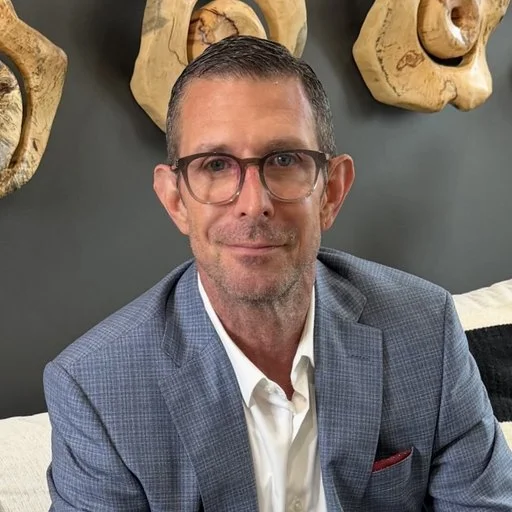
Medical oversight: Micah Craig, MD, Medical Director, Valere Regenerative
The phrase concierge medicine means different things depending on who is using it. For some practices, concierge means same-day appointments and a physician who returns your calls. For others, it means a retainer that buys priority access to the same protocol-driven care available at the standard practice down the street. For Valere, concierge regenerative health in Houston means something more specific — and more substantive — than either of those definitions.
If you are considering a concierge regenerative health practice for the first time, or if you have been through a concierge model before and found it insufficient, this article explains what to expect from Valere in River Oaks and why the experience is structured the way it is. The distinctions matter, and understanding them before you begin is part of what allows the program to deliver what it is designed to deliver.
The Assessment Is the Beginning of Everything
The first thing to understand about Valere is that nothing is recommended before the clinical picture is established. This sounds obvious. In practice, it is rare. Most practices — even those that describe themselves as personalized or precision-oriented — approach new patients with a predefined menu of services and use the initial consultation to confirm the recommendation they have already formed. The assessment exists to justify the recommendation rather than to generate it from scratch.
At Valere, the assessment is genuine. It is a comprehensive clinical evaluation that takes the time required to understand the full picture: the patient's history, their current biology as reflected in the diagnostic workup, the specific symptoms and functional goals they bring, what has been tried previously and what the results were, and what a realistic and specific program for their biology can accomplish.
The assessment does not end with a package recommendation prepared in advance. It ends with a roadmap — a sequenced, personalized program built from the clinical picture. The roadmap includes honest language about what each element of the program addresses, what it does not address, what realistic outcomes look like, and what the monitoring and adjustment process involves over time. The patient who comes through the assessment leaves with something clinically specific — not a brochure.

This approach takes more time than the standard initial consultation. The patient who has been through enough of those to know what they produce will immediately recognize the difference.

What the Program Model Looks Like in Practice
Concierge regenerative health at Valere is program-led. The patient does not arrive for isolated appointments and leave with a completed procedure. They participate in an ongoing clinical program that has a defined structure, a logical sequence, and monitoring built in from the beginning.
A patient in a joint renewal program has a specific sequence: assessment, imaging review and clinical evaluation, intervention delivered with precision and image guidance, a defined monitoring period, a follow-up evaluation of the tissue response, and a decision about the next step based on what the clinical picture shows. The program does not end at the injection. It continues until the functional goal is achieved and a maintenance plan is established to protect what was built.
A patient in a hormonal health program has regular monitoring of their hormonal environment, with dosing and delivery adjusted as the biology responds and evolves, and with clinical attention to the downstream effects of the hormonal intervention across the other systems it affects. The monitoring is not a follow-up scheduled at the end of the prescription period. It is an ongoing clinical process.
A patient in a metabolic health program has their metabolic markers tracked against the program's objectives, with adjustments made when the clinical picture diverges from the trajectory the program was designed to produce. The program adapts to the patient's biology rather than expecting the patient's biology to conform to the program.
What the Experience Feels Like Day to Day
The patient who has been through the conventional medical system — even a concierge version of it — will notice several things at Valere that are immediately different.
First, time. Appointments at Valere are structured to allow the clinical conversation that the situation requires. There is no sense that the physician has somewhere else to be in twelve minutes. The time allocated to the appointment reflects the clinical commitment to understanding the full picture rather than moving efficiently through a protocol.
Second, the physician is genuinely the central intelligence. At Valere, the physician builds the program, delivers or directly supervises the clinical interventions, and remains the primary point of engagement as the program progresses. The patient has a physician who knows them — not a provider who has reviewed a file that was prepared by someone else.
Third, access between appointments is part of the model. Questions that arise between visits, changes in how the patient is responding to the program, the kind of ongoing dialogue that a program-led approach requires — these are accessible in the way that the patient's other professional relationships are accessible. Not through a portal designed for the average practice, but through the kind of direct clinical relationship that the program model requires to function as intended.
The how it works page at valereregenerative.com/how-it-works gives a complete picture of how the program model is structured from assessment through ongoing care.
What to Expect Around Outcomes
The patient who arrives at Valere having spent time in the wellness and aesthetic medicine market is often carrying expectations that have been calibrated by overstatement. Dramatic results, rapid transformation, guaranteed outcomes — the language of markets that are selling products rather than clinical programs. Valere does not speak that language and does not produce that kind of promise.
What to expect from a Valere program is this: outcomes that are genuine, honest, and specific to your biology. Not outcomes described in the most favorable case but outcomes described in the realistic case — what is realistic for patients with a clinical picture similar to yours, what the evidence supports, what the monitoring process is designed to track and confirm.
For many patients, the most meaningful shift is not any single result — results vary from person to person — but the experience of having their biology taken seriously for the first time by a practice that was built specifically for them. That shift tends to be the foundation for everything that follows.
If you are ready to find out what a concierge regenerative health program in Houston looks like for your specific situation, the starting point is the assessment. Reserve yours at valereregenerative.com/assessment.
What Valere Is Not Designed to Be
Understanding the boundaries of what Valere offers is part of understanding whether it is the right fit. Valere is not designed for the person seeking a single treatment, a quick fix, or a short-term intervention managed independently. The program model produces its results over time, through the clinical engagement and monitoring that the program requires.
The patient who is ready to invest in a genuine clinical partnership — one that takes their biology seriously over time, monitors the response, and adjusts the program as the picture evolves — will find at Valere exactly the clinical home they have been looking for. The assessment establishes whether that description fits. Reserve yours at valereregenerative.com/assessment.
Medical disclaimer: This article is for general education only and is not medical advice. Reading it does not create a doctor–patient relationship. The treatments discussed are not right for everyone, individual results vary and are not guaranteed, and some therapies mentioned may be used off-label or are not FDA-approved for the uses described. Please talk with a licensed physician about your own health before starting any treatment.