Staying Active With Knee Pain: A Regenerative Approach
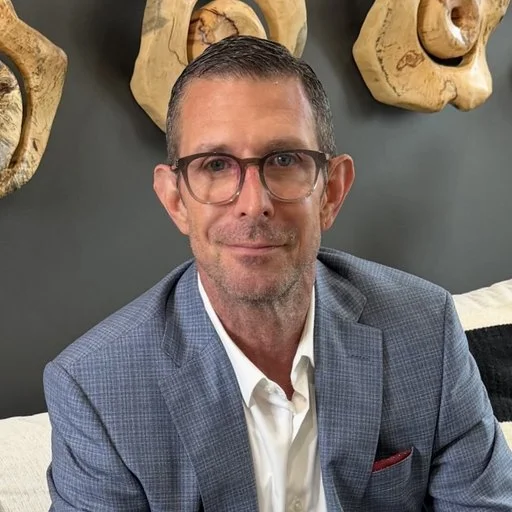
Medical oversight: Micah Craig, MD, Medical Director, Valere Regenerative
Knee pain rarely arrives all at once. It starts as stiffness on the stairs, an ache after a long walk, a court or trail you start skipping. For active adults in Houston, the question is not only what is wrong with the knee. It is how to keep doing what you love without heading straight to surgery.
Here is how a physician-led regenerative program approaches that question at Valere in River Oaks.
Why active knees wear down
Years of walking, running, tennis, hiking and everyday life place repeated load on the knee. Over time the cartilage can thin, the meniscus can lose some of its cushioning, and low-grade inflammation can settle into the joint. Imaging often calls this "degenerative change."
What imaging does not show is how the joint's biology is behaving now: the inflammation, the tissue quality and the cellular activity that shape how the knee feels day to day. That is the part a regenerative assessment looks at.
The usual path, and where it leaves people
The standard route is familiar: anti-inflammatories, a cortisone shot, physical therapy, and eventually a conversation about replacement. Each has its place. Many active adults simply want to understand every option before accepting that the next step is surgery or giving up the activities they care about.
What a regenerative program involves
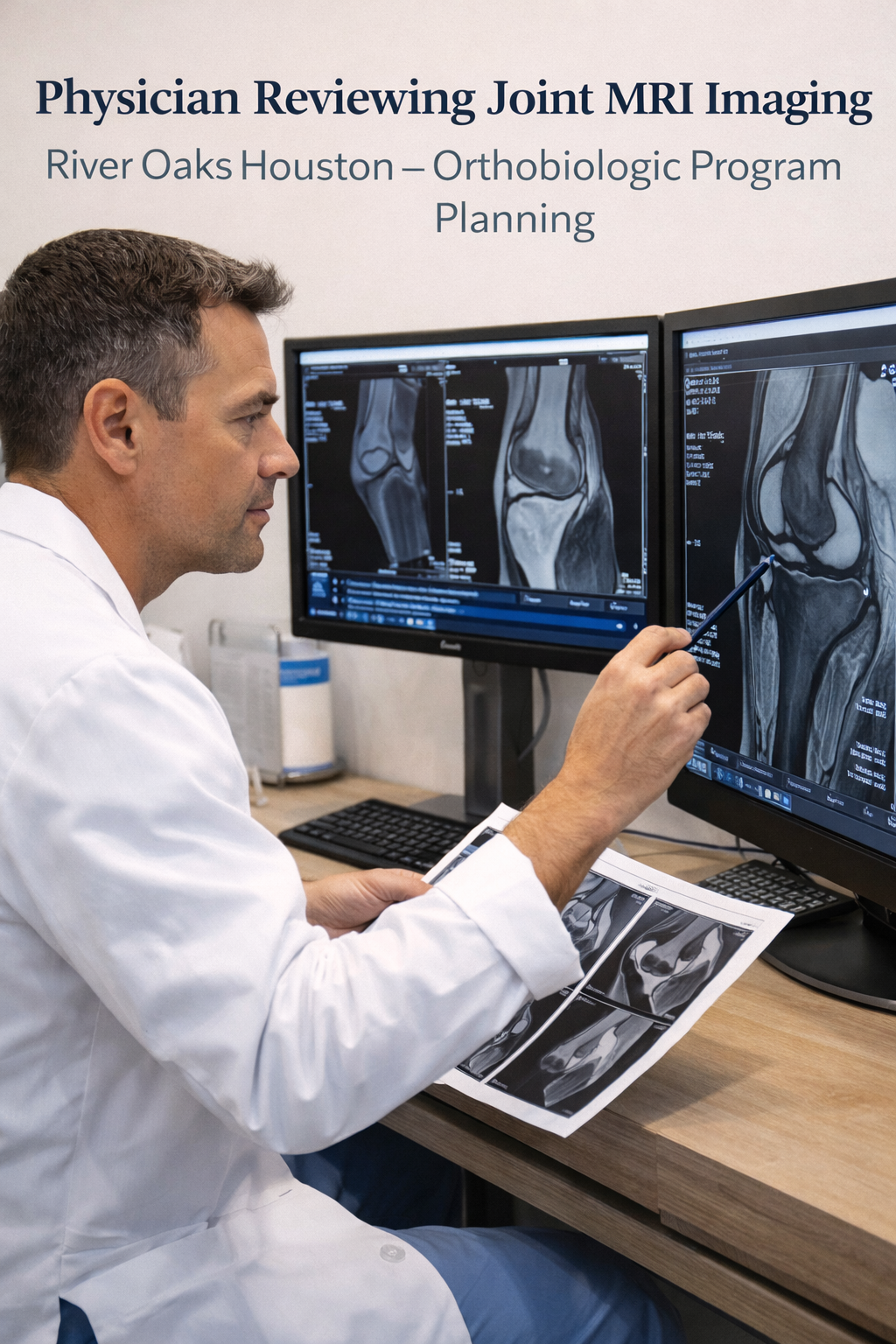
It starts with a full assessment, not a quick look at an old MRI. Your physician reviews your imaging, examines the knee, and talks through when it hurts, what you have stopped doing and what you want back.
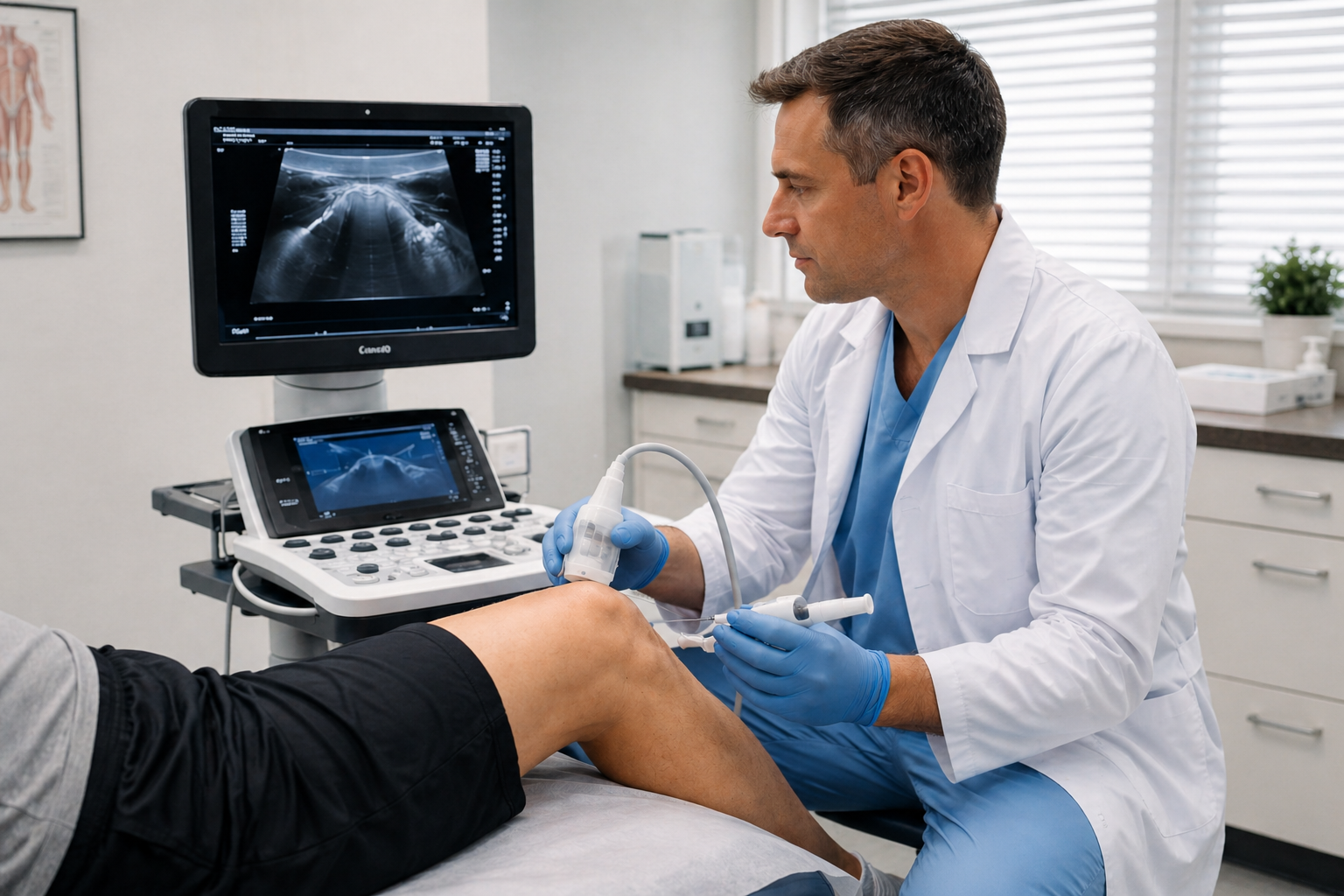
From there, the plan is built around you. For many knee cases, that centers on exosome therapy placed under ultrasound guidance at the structures the assessment identifies, often paired with StemWave focused shockwave sessions. Exosomes are tiny vesicles that carry signaling molecules involved in the body's own repair processes. How much a given knee responds varies from person to person.
Ultrasound guidance matters. It lets the physician place the preparation precisely, rather than relying on feel alone.
The program includes follow-up visits to review how the knee is responding and decide whether to adjust, add or maintain. See how the full program is structured on our Joint Renewal & Mobility page.
Realistic expectations
Common goals include less pain during and after activity, less stiffness, and more confidence moving the way you want to. These are goals, not guarantees. They depend on your imaging, your age and overall health, and how the program is delivered.
A regenerative program does not turn back the clock on structural change. It works on the joint's current biology, which influences how much pain the knee produces and how well it keeps up with you.
When to come in
Earlier is usually better. A knee you keep pushing through takes on load without time to recover. An assessment gives you a clear picture and a plan you understand.
Reserve your assessment. Bring any imaging you have, a description of your pain, and the activities you want to keep doing.
Medical disclaimer: This article is for general education only and is not medical advice. Reading it does not create a doctor–patient relationship. The treatments discussed are not right for everyone, individual results vary and are not guaranteed, and some therapies mentioned may be used off-label or are not FDA-approved for the uses described. Please talk with a licensed physician about your own health before starting any treatment.