Non-Surgical Joint Treatment in Houston: What High-Performing Adults Need to Know Before Considering Surgery
Non-Surgical Joint Treatment in Houston: What High-Performing Adults Need to Know Before Considering Surgery
Medical oversight: Micah Craig, MD, Medical Director, Valere Regenerative
The conversation about joint pain in the conventional medical system follows a predictable sequence. First, activity modification and anti-inflammatory medication. Then physical therapy. Then cortisone injections — offered at intervals, producing temporary relief, with the expectation that the relief will diminish over time and the injections will need to be repeated. And eventually, when this cycle has run its course or when the imaging shows enough structural change to justify the conversation, surgery.
For a meaningful number of high-performing adults in Houston, this pathway arrives at surgery as the default endpoint without a serious evaluation of what lies between the cortisone cycle and the operating room. What lies between it is a category of care — orthobiologic and regenerative in nature — that has matured significantly over the past decade and that the conventional pathway does not reliably include in the conversation.
This article is written for the patient who plays golf on a knee that has been bothering them for eighteen months. Who has been managing shoulder pain with the same cortisone injection every six months. Who has had imaging done, been told the results show the kind of changes expected for someone their age, and offered options that feel incomplete. Who has read enough to suspect that something exists between the cortisone and the surgery and wants to understand what it is with clinical honesty rather than marketing language.
What Orthobiologic Care Actually Does
The term regenerative medicine is used broadly across the healthcare market — broadly enough that it has begun to lose specific meaning in some contexts. In the joint care context, regenerative and orthobiologic treatments refer to a specific and well-defined category: interventions intended to support the body's own biological repair processes in the affected joint tissue, rather than by mechanical structural change or pharmacological suppression of symptoms.
At Valere, the orthobiologic approach for orthopedic cases is exosome therapy. Exosomes are tiny vesicles that carry signaling molecules involved in tissue repair, and they are delivered to the target site with the aim of supporting the underlying tissue, not only the symptoms. Where the assessment supports it, StemWave may be added to the program. Exosome therapy for orthopedic cases typically starts at $2,250, depending on the case.
For tendons and ligaments, the aim is to support the collagen-producing activity healthy tendon relies on. For articular cartilage and the joint environment, it means introducing biological signals that influence the inflammatory milieu and support whatever regenerative capacity the tissue retains. The outcomes are not guaranteed, the research is still developing, and results vary from person to person, which is why candidacy is decided by a physician, case by case.
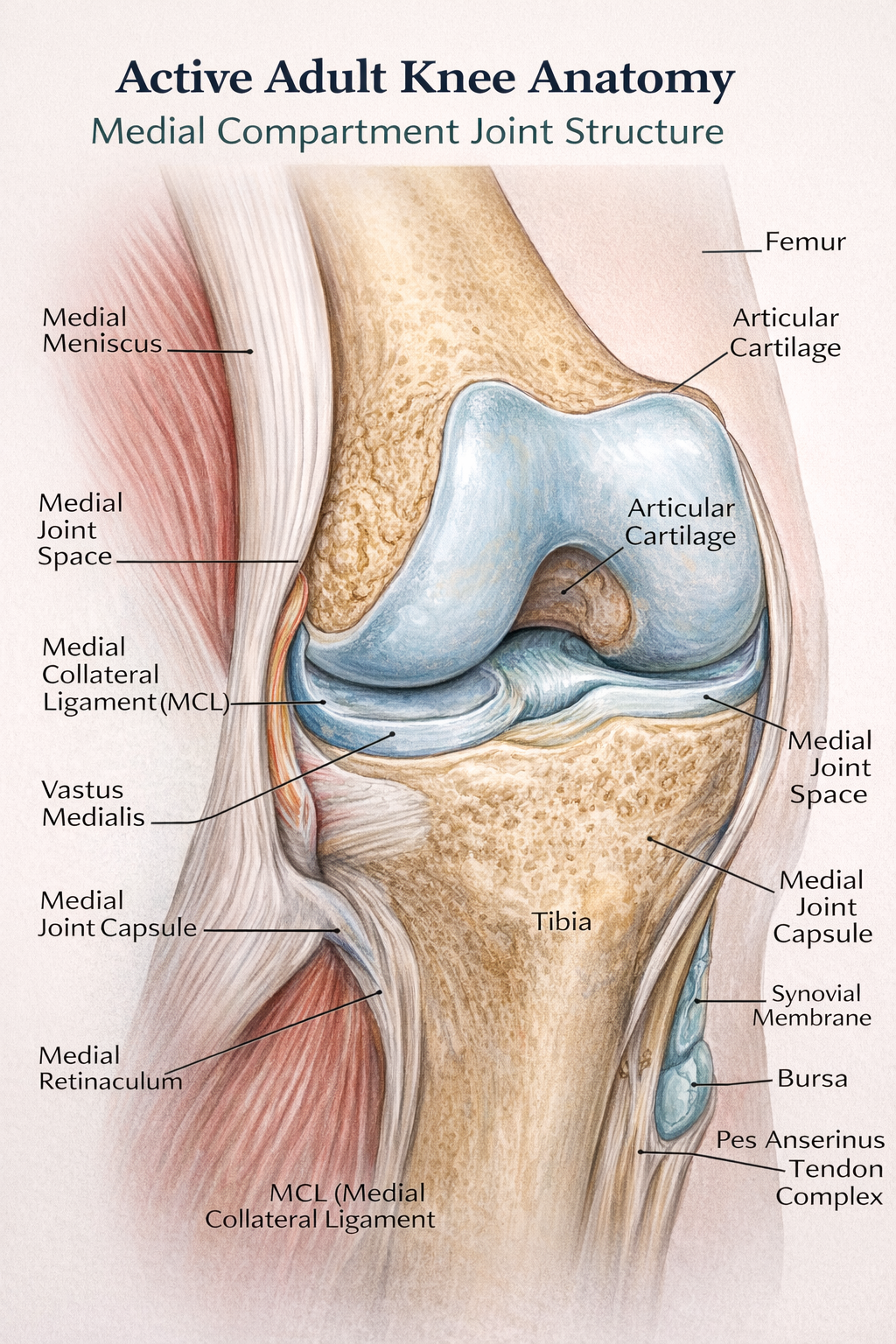
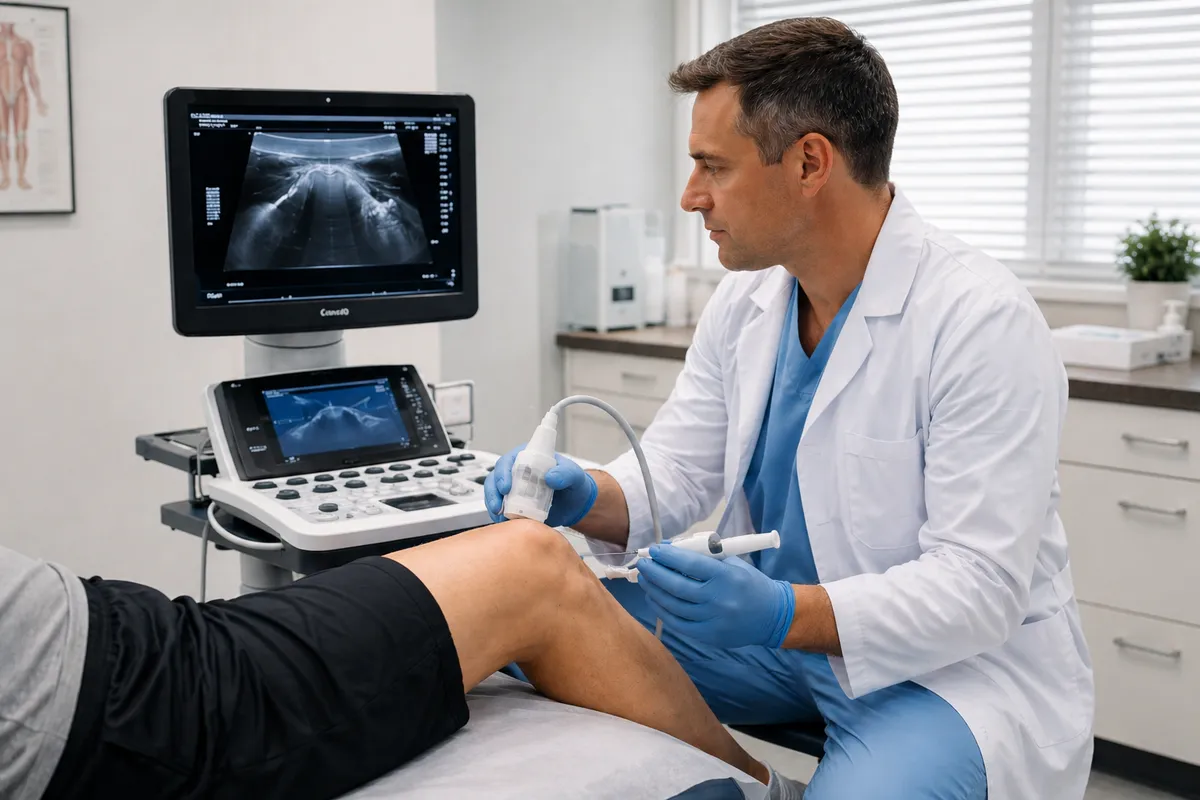
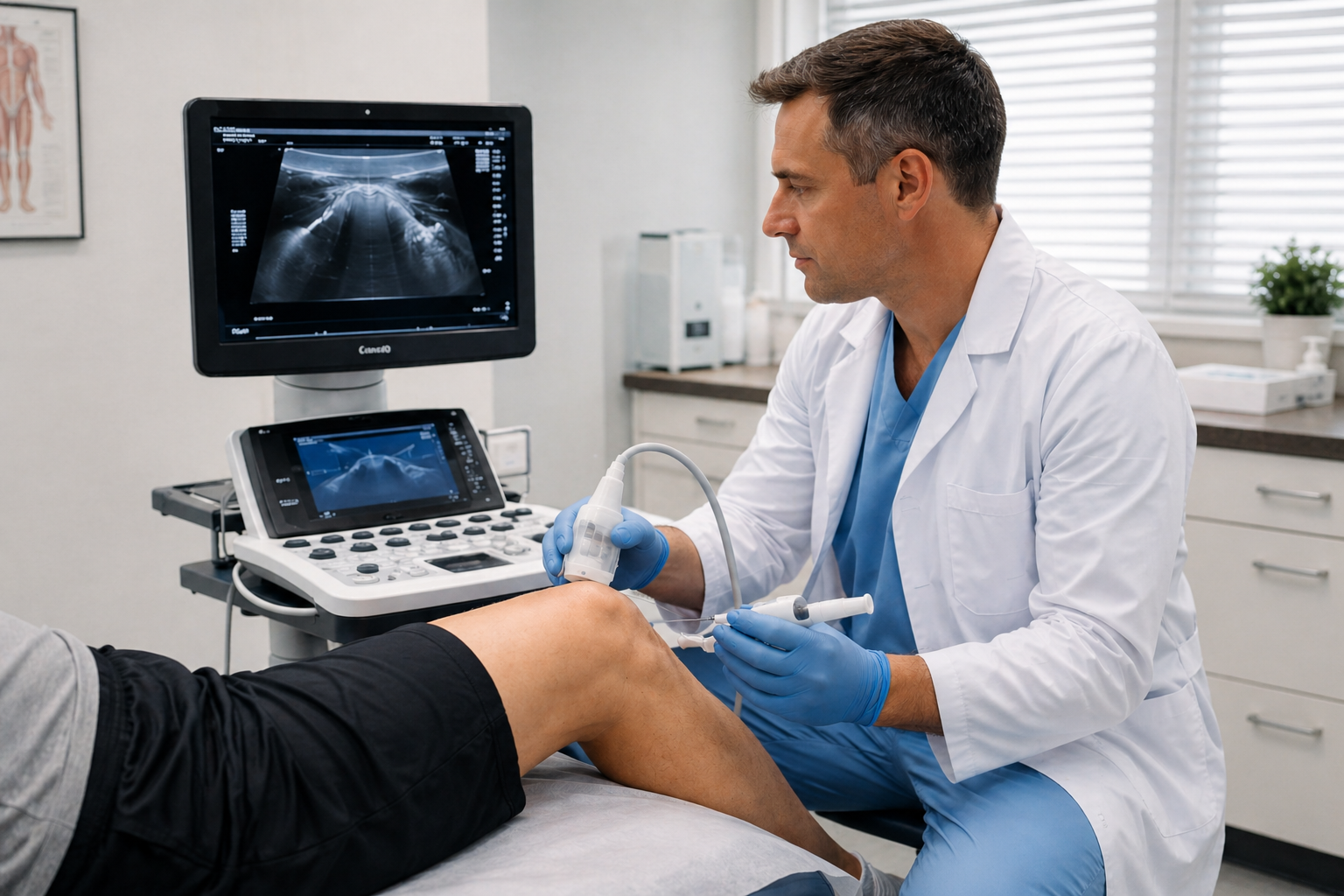
Image-guided delivery is a component of precision orthobiologic care that deserves specific mention. An injection delivered under real-time ultrasound guidance — confirming needle placement in the target tissue before the biological agent is deployed — is clinically different from one delivered by palpation or anatomical estimation alone. The difference is a matter of precision. Valere delivers orthobiologic interventions with image guidance as the standard, not the exception.
The Case Against Surgery as the Default Next Step
When Surgery Is and Is Not the Right Answer
Joint surgery addresses structural problems by mechanical means. When the structural change is severe, when the functional limitation is profound, and when the biological environment cannot support regenerative recovery, surgery may genuinely be the right answer. Nothing in this article is intended to suggest otherwise. There are patients for whom surgery is appropriate, and Valere will tell them so if the assessment indicates it.
What this article addresses is the category of joint problems — substantial in number, particularly among the active adult population between 50 and 70 — where the structural change visible on imaging does not fully account for the pain and functional limitation the patient is experiencing, and where the biological environment has not been optimized before the surgical option is evaluated.
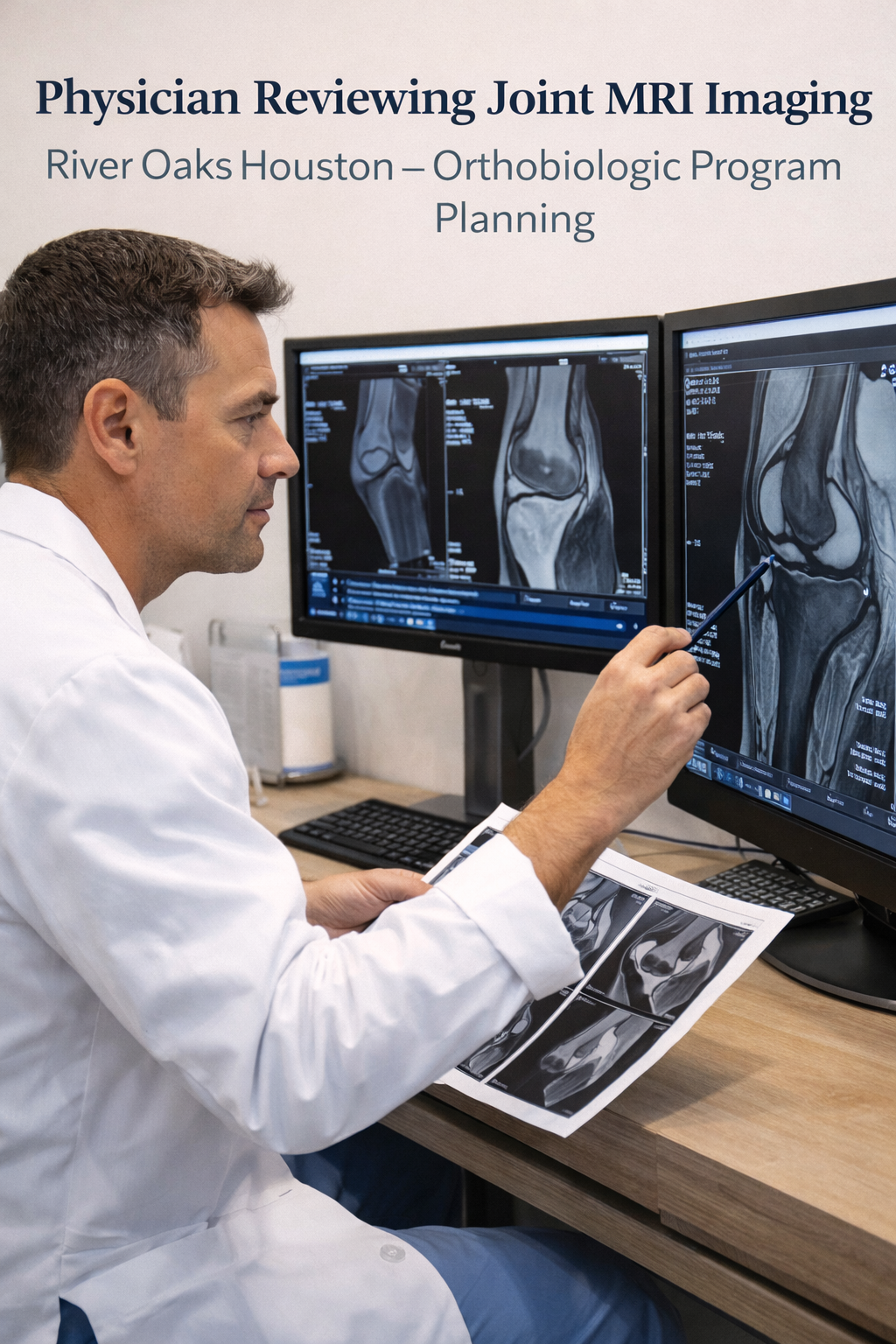
Imaging findings describe structure. They do not fully describe biology. A patient whose MRI shows degenerative changes consistent with their age may be experiencing pain that is significantly driven by the inflammatory and biological environment surrounding that structure — an environment that may be worth evaluating before surgery. Operating on the structural finding without addressing the biological environment producing a significant portion of the symptoms is a consequential decision that deserves more deliberation than the conventional pathway often provides.
The Recovery Calculation Matters
The high-performing adult considering joint surgery is also making a decision about time and life disruption. Recovery from a major joint procedure — a knee replacement, a shoulder repair, a hip replacement — is measured in months, not weeks. During that recovery, the active life that defines the patient is substantially on hold. The golf game, the tennis matches, the travel, the physical training that maintains not just physical health but identity and quality of life — all of it pauses.
For a patient who is not in a situation where surgery is the only viable option, the recovery calculation is part of the clinical calculus, not a secondary consideration. For the right candidate, a regenerative approach that may offer improvement without that recovery cost — even if any improvement develops gradually over weeks — could represent a material difference in the quality of the patient's life over the period in which the two approaches would unfold.
Who Is a Candidate for Regenerative Joint Care
The patients best positioned for a regenerative joint care program at Valere share a specific profile. They are adults between roughly 40 and 70 with meaningful pain and functional limitation in the knee, hip, shoulder, elbow, or spine. The pain has been present long enough to have affected their activity — they have modified their game, reduced their frequency of play, started managing around the limitation rather than through it.
They have tried the conventional approach: anti-inflammatories, physical therapy, possibly cortisone injections. They have found it insufficient — not in the sense that nothing helped, but in the sense that the help has not addressed the underlying issue and the cycle keeps repeating. They have not yet undergone surgery and want to make an informed decision about whether they need to.
Candidacy is established at the assessment — not assumed from a description of symptoms. The assessment is where the clinical picture is built, the specific joint is evaluated, the appropriate orthobiologic approach is identified, and the patient understands what a realistic program can accomplish.
The Sports That Define the Houston Joint Picture
The joints that patients at Valere most frequently need addressed tell a clear story about the active lives they are living. Golf and the knee account for a significant share: the rotational mechanics of the golf swing place specific and repetitive loading on the medial compartment, the hip, and the lower back that accumulates over years of regular play into a joint environment that is no longer self-managing.
Tennis and the shoulder represent another consistent pattern — rotator cuff tendinopathy and acromioclavicular changes driven by the overhead demands of serving and lateral reaching, producing the pain and functional limitation that cortisone manages temporarily without addressing the biological tissue condition that is the actual problem.
Pickleball has joined the list in recent years, producing a predictable injury pattern in the 50-to-70 demographic that has adopted the sport enthusiastically — knee loading from the rapid direction changes, elbow tendinopathy from the backhand mechanics, and shoulder stress from the overhead game.
The detailed clinical approach to each of these sport-specific injury patterns is covered in the cluster articles connected to this pillar. But the underlying program orientation is consistent across all of them: establish the full clinical picture, identify what the biological environment of the joint requires, deliver that precisely and under image guidance, monitor the response over time, and adjust the program based on what the clinical picture shows.
If you are dealing with joint pain that has started to define the edges of your active life — and you want to find out what a serious clinical evaluation of your options looks like — the starting point is the assessment. Reserve yours at valereregenerative.com/assessment.
Understanding Why the Conventional Pathway Arrives at Surgery
For some people surgery is the right answer. But the conventional joint care pathway often arrives at surgery by default, because it was designed without an orthobiologic option in the middle. Anti-inflammatory medication manages the symptomatic expression of the problem. Physical therapy addresses the musculoskeletal context around the joint. Cortisone injections suppress the inflammatory picture temporarily. When these options are exhausted — and they are systematically exhausted, one by one, over the course of months or years — surgery is what remains.
This is a design problem, not a failure of individual clinical judgment. The physicians who move through this pathway are practicing within the framework they were trained in and that the conventional system supports. The gap is in the framework itself — specifically, the absence of a systematic, physician-led approach to orthobiologic care that evaluates the biological environment of the joint, matches the intervention to what the clinical picture requires, delivers it with precision, and monitors the response over time.
Valere fills that gap. Not as a last resort before the inevitably scheduled surgery, but as a legitimate first option for the patient who wants to make an informed decision about their joint before surgery is the only remaining conversation.
The Monitoring Element That Defines the Program
The difference between a single orthobiologic injection and an orthobiologic program is the monitoring. A single injection delivers the biological agent. The program tracks what happens after the delivery, evaluates the tissue response, determines whether additional intervention is appropriate, and builds a maintenance approach that protects what the program has established.
For the patient who has tried injections elsewhere and found the results disappointing, the monitoring question is often the relevant one. A single injection without defined follow-up and clinical evaluation of the tissue response is an incomplete clinical engagement. The program model that Valere delivers involves not just the initial intervention but the ongoing clinical attention that allows the response to be optimized and the program to be adjusted based on what the joint is showing.
This is the standard the patient's situation deserves. The assessment at valereregenerative.com/assessment is where that standard is applied to your specific joint and your specific biology. Come in with imaging if you have it, a clear description of the joint and the pattern of the pain, and the functional goal you are working toward. That is where the right conversation starts. That conversation, grounded in the clinical picture your assessment establishes, is where a better-informed decision begins.
Medical disclaimer: This article is for general education only and is not medical advice. Reading it does not create a doctor–patient relationship. The treatments discussed are not right for everyone, individual results vary and are not guaranteed, and some therapies mentioned may be used off-label or are not FDA-approved for the uses described. Please talk with a licensed physician about your own health before starting any treatment.